
Why 'linguist-in-the-loop' beats 'human-in-the-loop'.
A subtle reframing of the AI-plus-human workflow that changes who sits where in the loop — and why it changes the output.
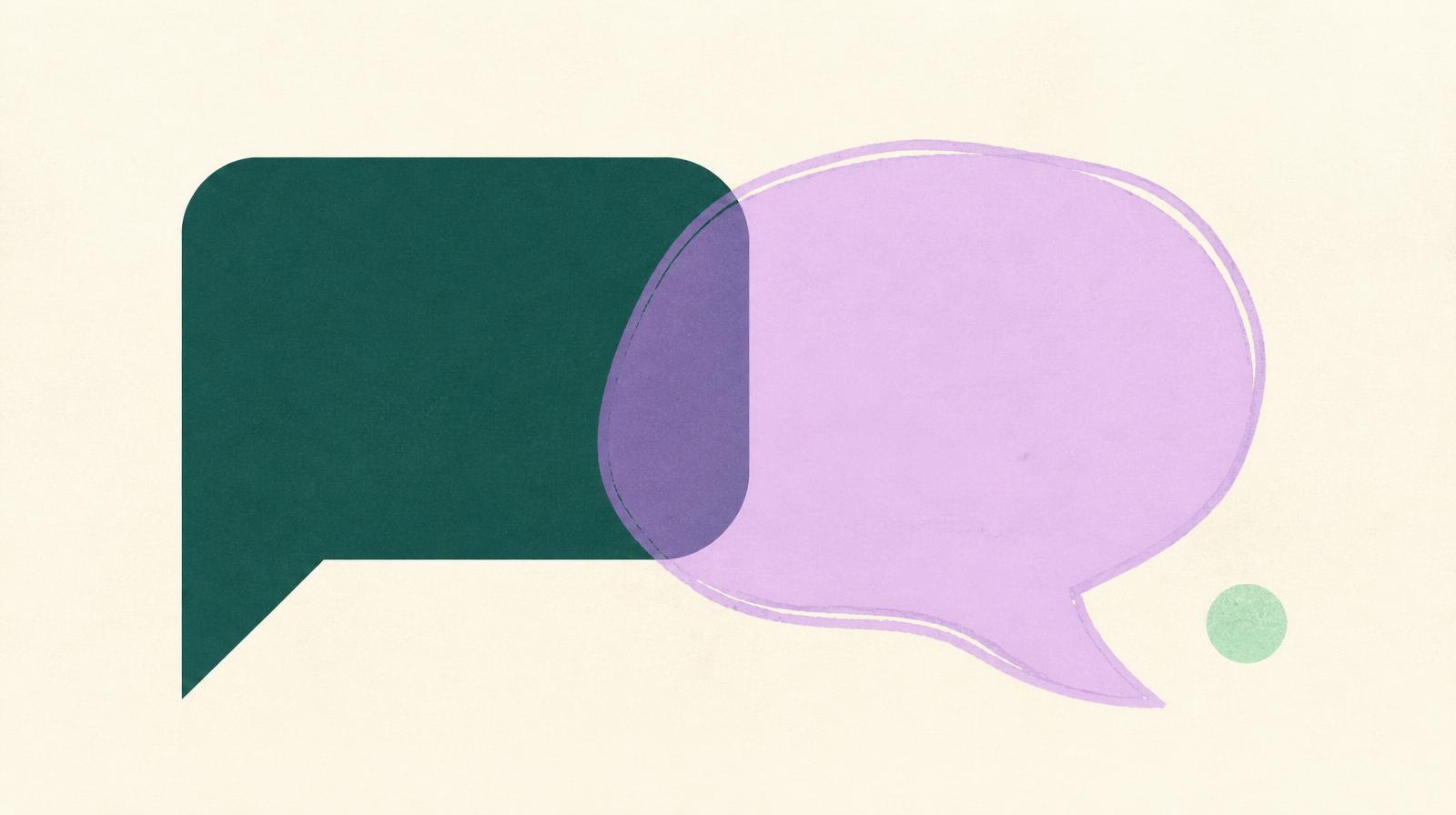
"Human-in-the-loop" is the phrase the AI industry settled on, and it has done real damage to how translation work gets scoped.
It implies the human is the safety net. The AI does the work, a human glances at it, and the loop closes. For language work, that gets the responsibility backwards.
The linguist is the author. The AI is the assistant.
When a native specialist owns the output and uses AI to move faster, the work is faster and better. When the AI owns the output and the linguist "checks", the work is faster and quietly worse — because nobody is actually writing it.
The difference shows up in three places: brand voice, cultural nuance, and error class. AI errors are confident, fluent, and structurally invisible to a reviewer who is reading for typos. They are visible to a linguist who is writing.
What it looks like in practice
Our workflows put the linguist at the top of the loop: they brief the AI, they direct it, they rewrite where needed, and they own the final read. AI handles repetition, terminology consistency, and first-draft scaffolding. The linguist handles judgement.
That is the loop. The linguist is not in it. They are running it.