
AI voice6 min read
Where AI voice is genuinely good — and where it isn't.
AI voice has matured fast. It is genuinely useful in some contexts and quietly damaging in others. A field guide.
Editorial team
Resonance studio
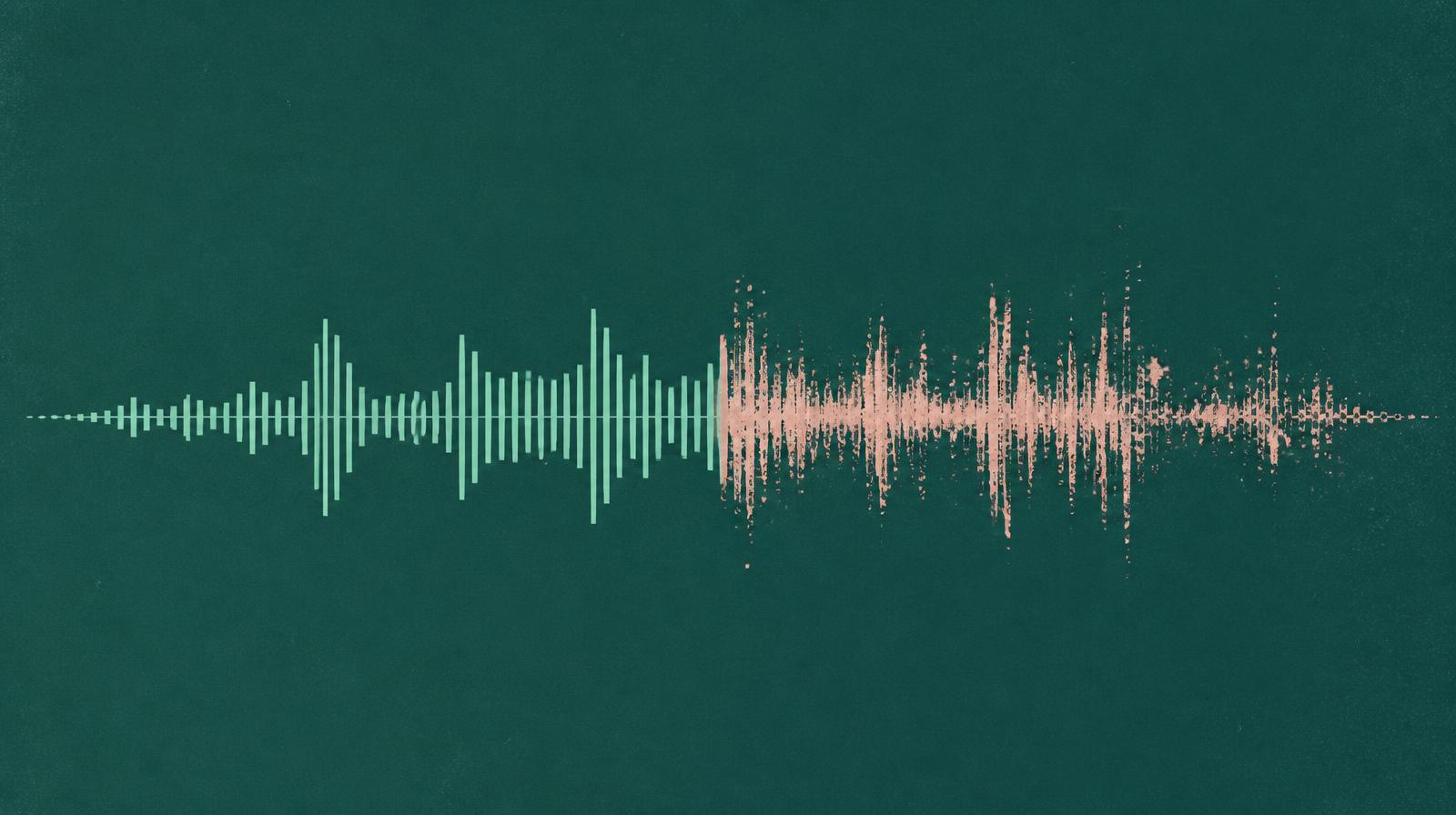
AI voice is a tool, not a category. Treat it like one and it earns its place. Treat it like a replacement for casting and direction, and the work suffers in ways the brief never named.
Where it is genuinely good
- Internal training, e-learning, and corporate explainers. Long-form, low-stakes, high-volume.
- Multilingual versioning of an already-recorded asset. Twelve markets, a tight launch window, a fixed script.
- Prototypes and animatics. Anywhere the voice is a placeholder for a creative idea, not the final emotional payload.
Where it is quietly bad
- Brand campaigns that lean on performance. A great human VO carries 30% of the spot. AI carries 5%.
- Anything emotionally specific. Grief, humour, irony, restraint. The model averages them out.
- Languages with strong oral tradition. Listeners hear the seams faster than briefs assume.
The rule
If a human voice would have been cast on craft, do not replace it with AI. If it would have been booked because the budget had no other option, AI now gives you a real choice.